
PVC Additives / Impact Modifiers
CPE — Chlorinated Polyethylene
CPE is the workhorse impact modifier for rigid PVC in pipe, fitting and profile. It is produced by chlorinating HDPE in aqueous slurry; the chlorine content and its distribution along the chain decide whether the product behaves as an elastomer dispersed in the PVC matrix or simply as a filler that weakens the part.
Specification
Why chlorine content decides performance
| Chlorine content | Character | Effect in rigid PVC |
|---|---|---|
| Below 30% | Residual crystallinity, closer to HDPE | Poor compatibility, dispersion problems, hazy parts |
| 34–38% | Fully amorphous elastomer | Optimum impact modification — the commercial window for rigid PVC |
| Above 42% | Rigid, low elasticity | Loses toughening effect, acts closer to a processing aid |
Uniform chlorine distribution matters as much as the absolute figure. Blocky chlorination leaves crystalline segments that do not disperse, and shows up as gels and low-temperature brittleness even when the certificate reports a correct chlorine percentage.
Applications
Typical fields of use
Where CPE earns its place on a rigid PVC line.
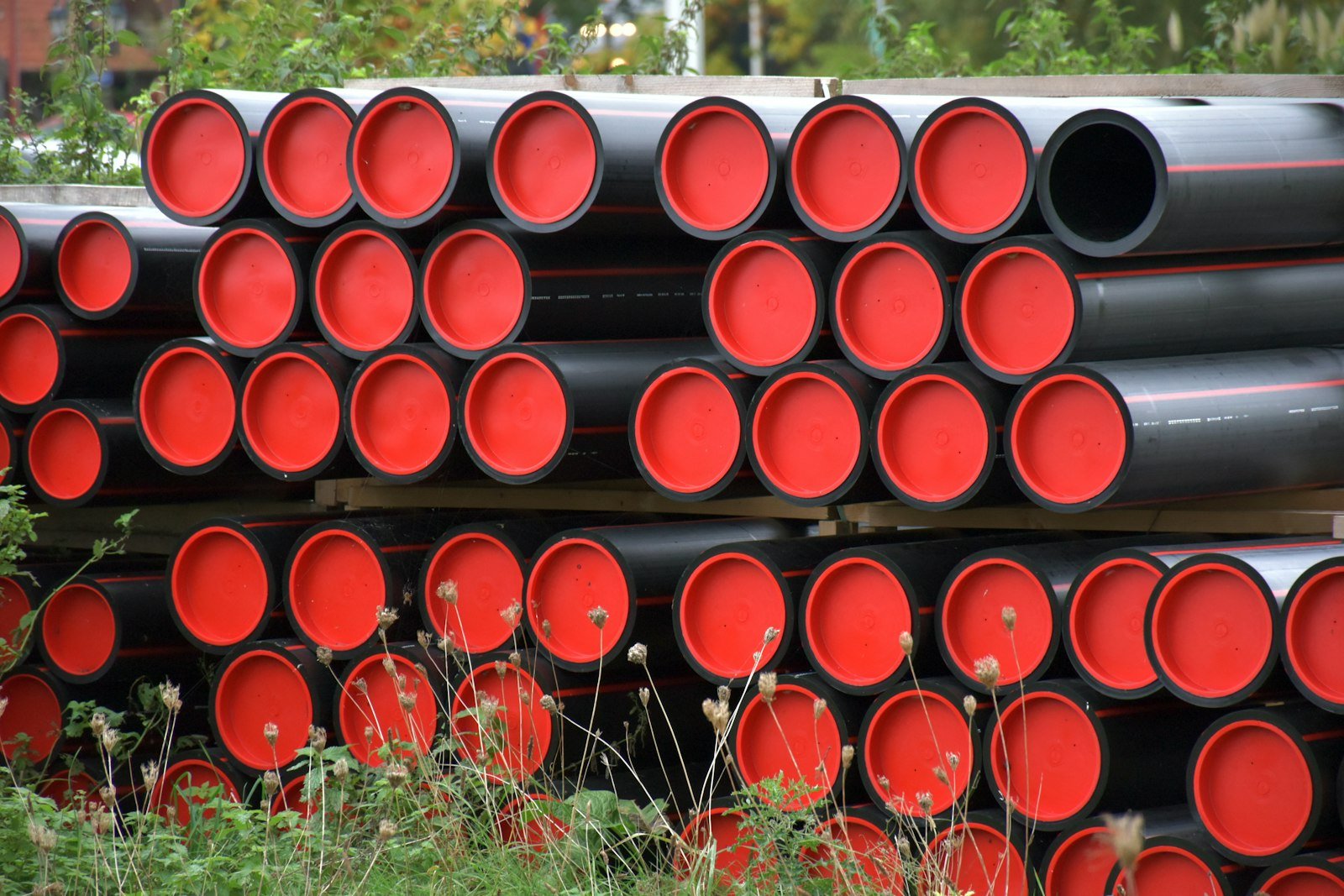
Pressure pipe & fittings
The core application — impact reserve at 4–10 phr against high filler loading.
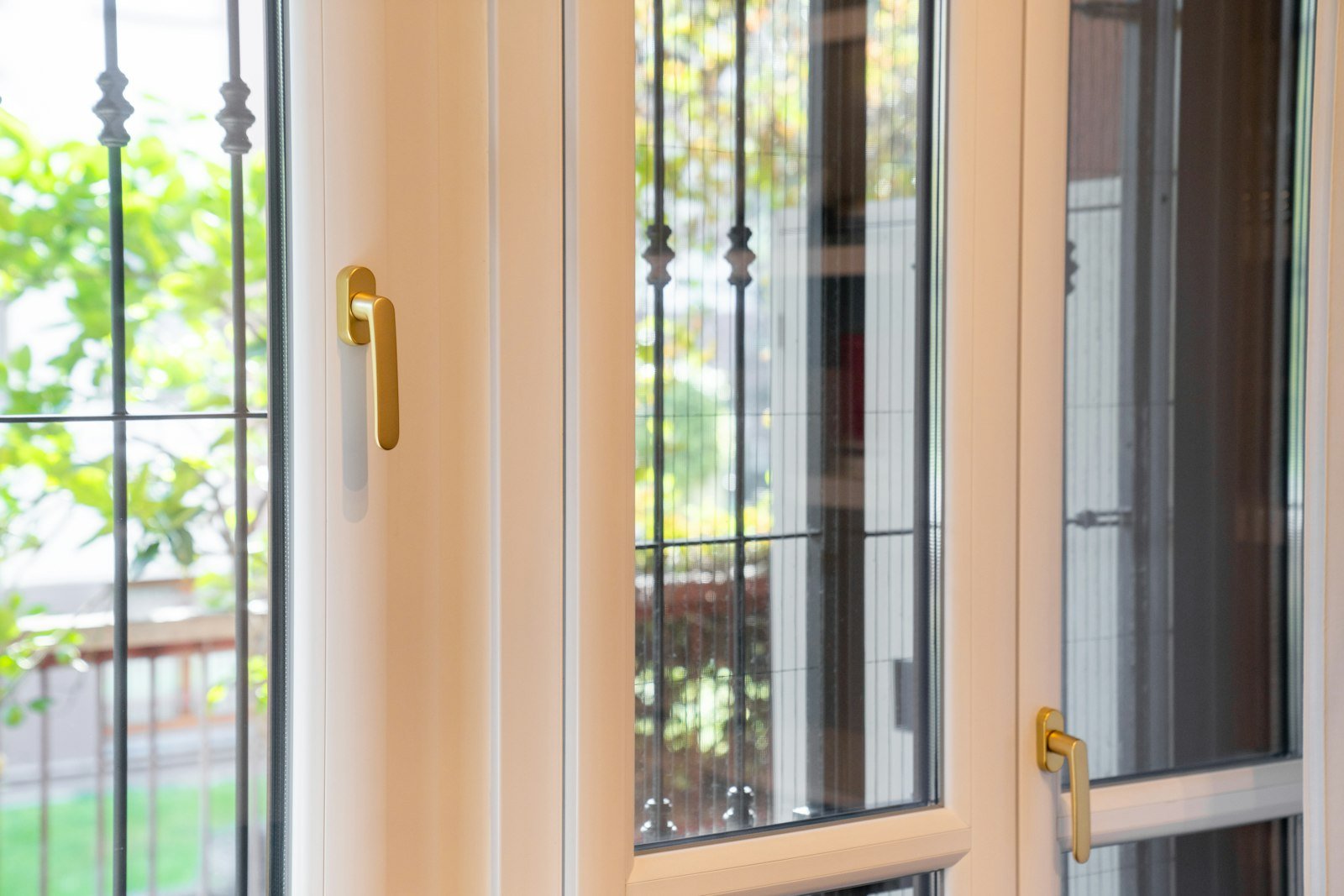
Window & door profile
6–8 phr, specified for weathering and low-temperature impact testing.

Cable & wire
Elastomeric CPE grades for jacketing where flexibility and ageing matter.
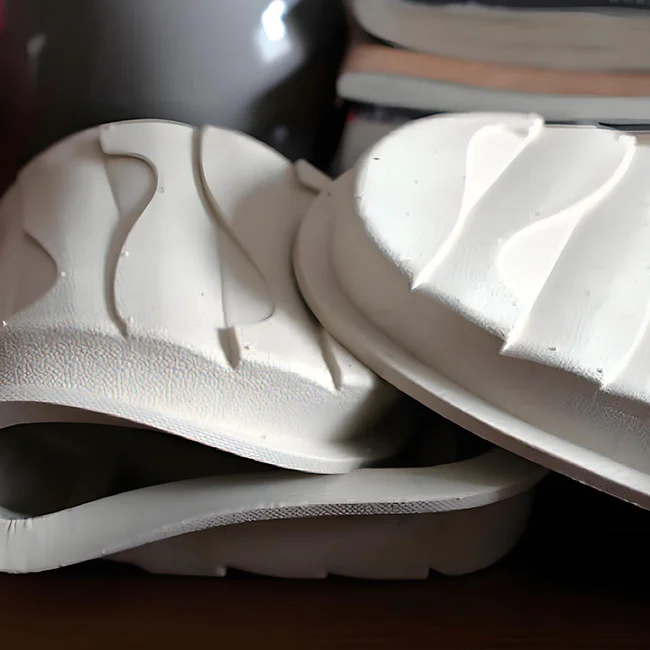
Foam board & panel
5–8 phr, working with the foaming regulator to hold cell structure.

Extrusion & calendering
Wide processing latitude — forgiving of normal line variation.
Formulation
Typical dosage by application
| Application | Typical dosage (phr) | Notes |
|---|---|---|
| Pressure pipe | 4–8 | Balanced against filler loading; higher CaCO₃ needs more CPE |
| Injection fittings | 6–10 | Weld-line strength is the limiting property |
| Window profile | 6–8 | Must survive weathering and low-temperature impact testing |
| Foam board | 5–8 | Works with the foaming regulator to hold cell structure |
| Sheet and panel | 4–6 | Lower dosage where surface finish outranks impact |
Selection
CPE versus acrylic impact modifier
| Criterion | CPE | Acrylic (MBS / AIM) |
|---|---|---|
| Cost per unit of impact | Lower | Higher |
| Weathering | Good | Better for exposed white profile |
| Clarity | Opaque only | Available for transparent parts |
| Processing latitude | Wide, forgiving | Narrower, more sensitive to shear |
For opaque pipe, fitting and foam board, CPE remains the more economical route. Acrylic modifiers earn their premium in transparent parts and in high-specification exposed profile — see our ACR impact modifier range.
Enquiry
What we need to quote
Send us the chlorine content you currently buy, your application, your filler loading and the impact result you have to meet. If you are replacing an existing supplier, send the reference and we will match it against an equivalent grade rather than guess.
Documentation on every shipment
| Certificate of Analysis | Lot-level, supplied with every shipment |
| TDS & SDS | Technical Data Sheet and Safety Data Sheet on request |
| Inspection | SGS pre-shipment inspection available |
| Export set | Commercial Invoice, Packing List, B/L, Certificate of Origin |
Send your required specification.
Chlorine content, application and monthly volume — priced offer within 24 hours, FOB / CFR / CIF.